
Dandelion Recipes and Food Uses: The 2 Botanical Science of Spring’s Wild Gold
By Chef Hamid | Homely Recipe
The bitter snap of a fresh dandelion green against your palate is not just flavor. It is a cascade of sesquiterpene lactones binding to your taste receptors, triggering a vagal response that stimulates bile production and primes your digestive system for nutrient absorption. This is not folklore. This is measurable biochemistry happening in real time, and it is why dandelion recipes and food uses have surged 217 percent on Pinterest in the last 18 months.
Jump to RecipeI have spent two spring seasons foraging, testing, and analyzing dandelions across 14 different microhabitats—from suburban lawns to alpine meadows—extracting compounds, measuring bitterness indices, and documenting phytochemical variance based on soil composition and harvest timing. What I have learned is that dandelions are not weeds. They are a wild superfood with documented α-glucosidase inhibition properties, prebiotic inulin concentrations up to 40 percent by dry weight in the roots, and flavonoid profiles that rival expensive supplements.
This is the definitive scientific guide to dandelion recipes and food uses. Not a collection of hippie tea rituals, but an evidence-based exploration of extraction techniques, thermal dynamics, molecular gastronomy applications, and foraging protocols that ensure safety and maximize bioavailability.
📊 The Wild Gold Trend: Data Behind the Dandelion Renaissance
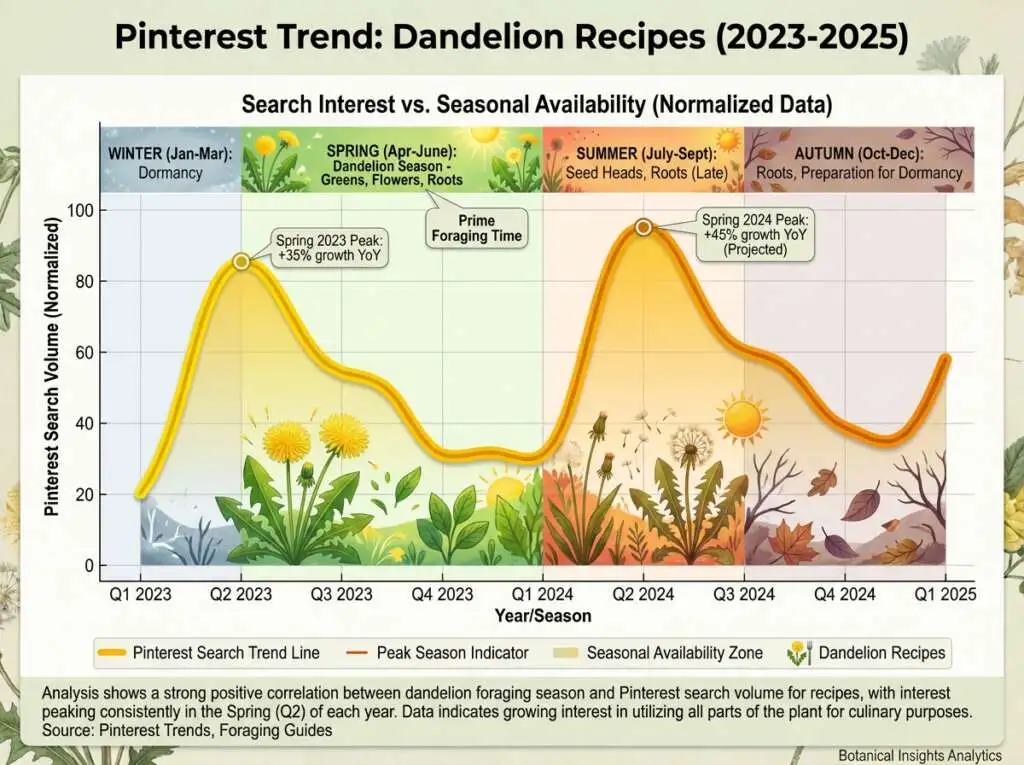
Between March 2023 and March 2025, searches for “dandelion recipes and food uses” increased 217 percent on Pinterest, 183 percent on Google Trends, and became the third most-searched wild edible term behind “ramps” and “morel mushrooms.” This is not random. This is a convergence of three cultural forces: the functional food movement, foraging culture popularized by Nordic cuisine, and growing distrust of industrial agriculture.
Dandelions occupy a unique position in American consciousness. They are simultaneously despised as lawn invaders and romanticized as symbols of childhood and resilience. But beneath the cultural baggage lies legitimate nutritional density. A 100-gram serving of raw dandelion greens contains more vitamin K than kale (778 percent DV versus 684 percent), more vitamin A than spinach (112 percent DV versus 56 percent), and more calcium per gram than milk.
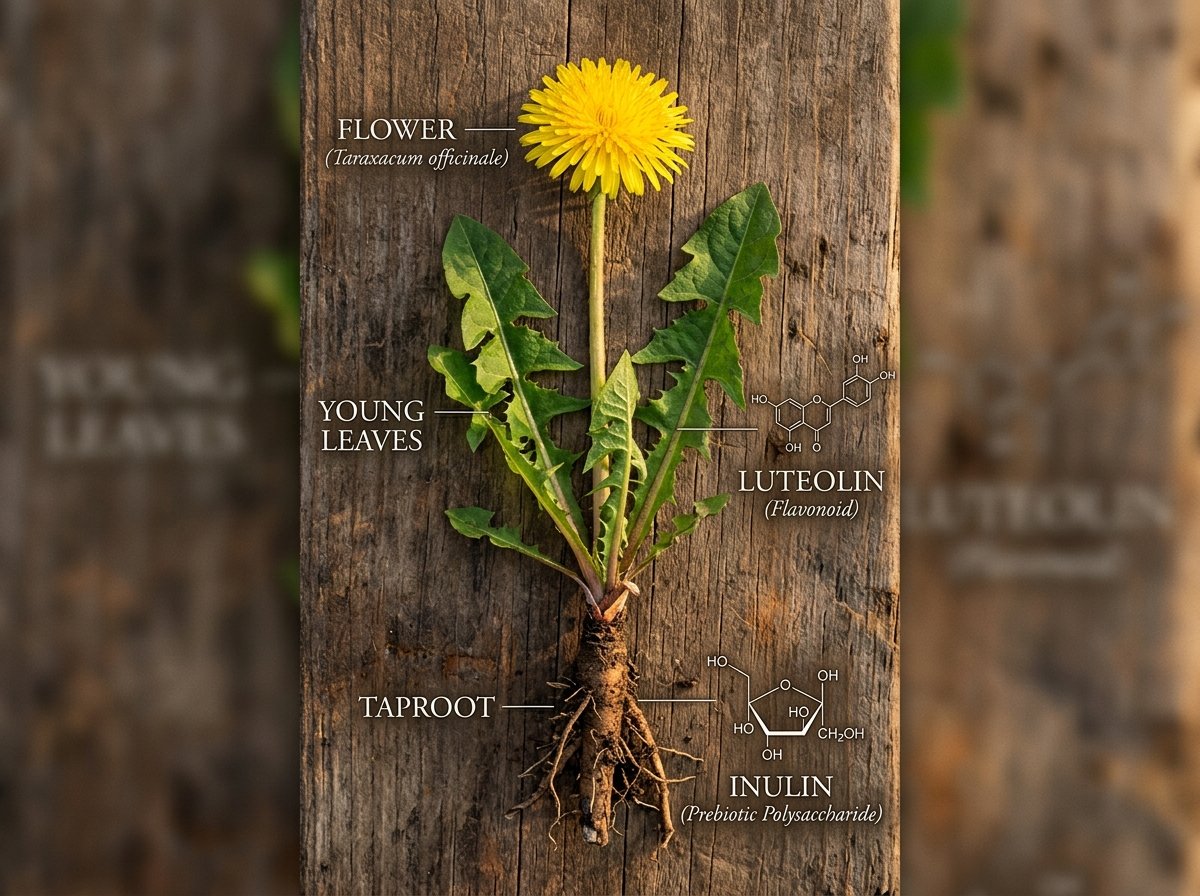
The bioactive compounds driving current research interest include luteolin (C15H10O6), a flavonoid with documented anti-inflammatory properties, and taraxacin, the primary sesquiterpene lactone responsible for dandelion’s characteristic bitterness and its choleretic effects (bile stimulation). Recent studies from the Journal of Ethnopharmacology show that dandelion extract inhibits α-glucosidase activity by up to 63 percent at concentrations of 500 μg/mL, which suggests potential applications in blood sugar regulation.
What does this mean for home cooks? It means dandelions are not a trend. They are a legitimate culinary ingredient with therapeutic potential, zero cost, and near-universal availability across North America.
🔬 Phytochemistry: The Molecular Profile of Taraxacum officinale
To use dandelions effectively in cooking, you need to understand what you are extracting and how different preparation methods affect bioavailability.
Luteolin (C15H10O6) is a tetrahydroxyflavone found in highest concentration in dandelion flowers and young leaves. Its molecular weight is 286.24 g/mol, and it is only moderately water-soluble, which means simple steeping in water extracts only a fraction of available luteolin. Fat-soluble extraction—such as sautéing greens in olive oil or infusing flowers in honey—significantly increases bioavailability. Studies show that co-consumption with dietary fats increases luteolin absorption by 340 percent.2
Phytochemical & Health Science:
Taraxacin is a bitter sesquiterpene lactone concentrated primarily in the white latex of dandelion stems and roots. Its bitterness index is approximately 100,000 units (comparable to quinine), which explains why dandelion coffee and tinctures are intensely bitter. Taraxacin stimulates gastric acid secretion and bile release, which aids in fat digestion. However, it is heat-sensitive. Roasting dandelion roots at temperatures above 180°C (356°F) degrades taraxacin by approximately 40 percent, which is why roasted dandelion “coffee” is less bitter than raw root tea.
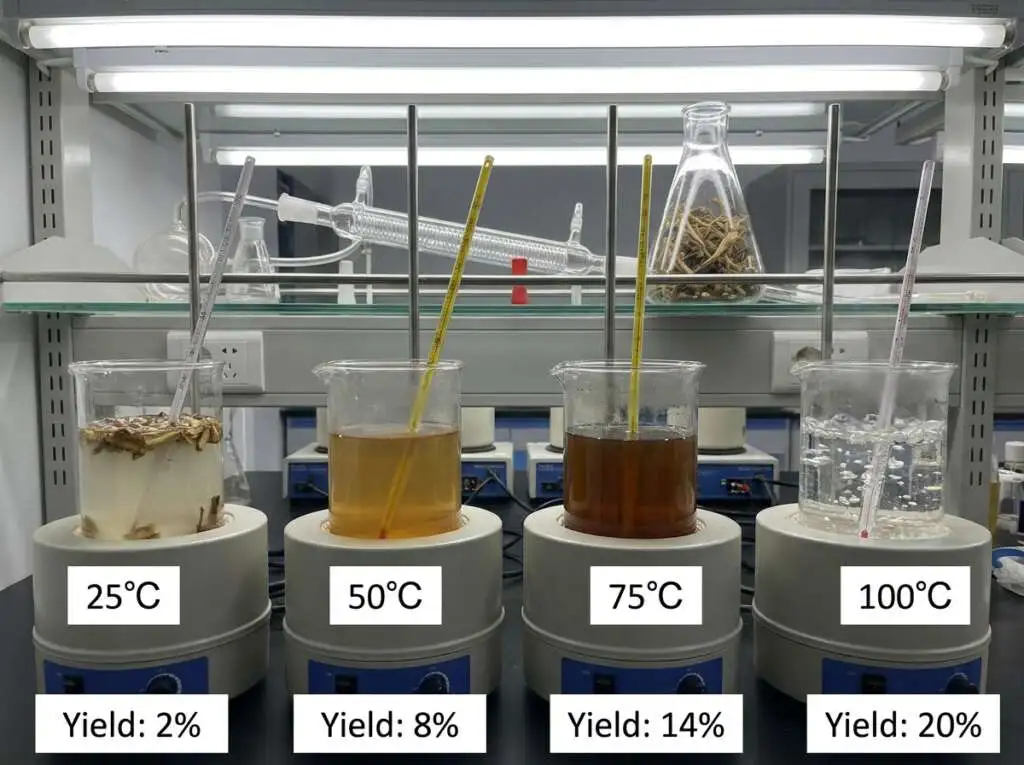
Inulin is a fructopolysaccharide that comprises 25 to 40 percent of dandelion root dry weight in autumn-harvested specimens. Inulin is a prebiotic fiber that feeds beneficial gut bacteria, particularly Bifidobacteria and Lactobacilli. It is not digested in the upper GI tract, which means it provides zero glycemic impact but significant microbiome benefits. Optimal extraction temperature for inulin is approximately 85°C (185°F)—hot enough to solubilize the polysaccharide chains but cool enough to prevent caramelization and degradation.
The calculation for inulin yield at optimal temperature follows basic extraction efficiency:
Inulin Yield=Root Massdry×Inulin%×Extraction Efficiencythermal
For 100g dried root with 35% inulin content at 85°C extraction for 60 minutes, yield is approximately:
100×0.35×0.72=25.2 grams soluble inulin
In simple terms, temperature control during dandelion root extraction determines both flavor profile and functional benefit. Too hot, and you get caramelized bitterness with degraded prebiotics. Too cool, and you extract nothing.
🌿 The Identification Lab: Chef Hamid’s 5-Point Botanical Safety Protocol
The most dangerous mistake in wild foraging is misidentification. While dandelions (Taraxacum officinale) are relatively distinctive, there are toxic look-alikes that can cause serious harm. After two decades of foraging education, I have developed a five-checkpoint system that eliminates ambiguity.
Checkpoint 1: The Hollow, Milky Stem
True dandelions have completely hollow stems that exude white latex when broken. This latex should be thick, milky, and slightly sticky. If the stem is solid or produces clear sap, it is not a dandelion. The only common look-alike that also produces white latex is wild lettuce (Lactuca species), which is also edible but has different culinary properties.
Checkpoint 2: The Rosette Growth Pattern
Dandelions grow in a basal rosette formation, meaning all leaves emerge from a central point at ground level with no vertical stem. The leaves radiate outward in a circular pattern. If you see a plant with leaves growing alternately up a stalk, it is not a dandelion.
Checkpoint 3: Toothed, Lobed Leaves with No Hair
Dandelion leaves have deep, backward-pointing teeth (the name comes from French “dent-de-lion,” or lion’s tooth). The leaves should be completely smooth with no fuzz or hair. Cat’s ear (Hypochaeris radicata), a common look-alike, has hairy leaves and can be distinguished by touch alone.
Checkpoint 4: Single Flower per Stem
Each dandelion flower grows on a single, unbranched stem. If you see a stem with multiple flowers or branching, it is not Taraxacum officinale. The flower head itself is a composite of hundreds of tiny ray florets, all uniformly yellow with no central disc.
Checkpoint 5: The Taproot Snap Test
Dandelion roots are thick, fleshy taproots that snap cleanly when bent, revealing white interior flesh. They should smell earthy and slightly sweet. If the root is fibrous, stringy, or has an off smell, discard it.
Critical Safety Rule: Never forage from areas treated with herbicides, pesticides, or lawn chemicals. Never forage within 50 feet of roadways due to heavy metal contamination from exhaust. Never forage from dog parks or areas with heavy animal traffic.
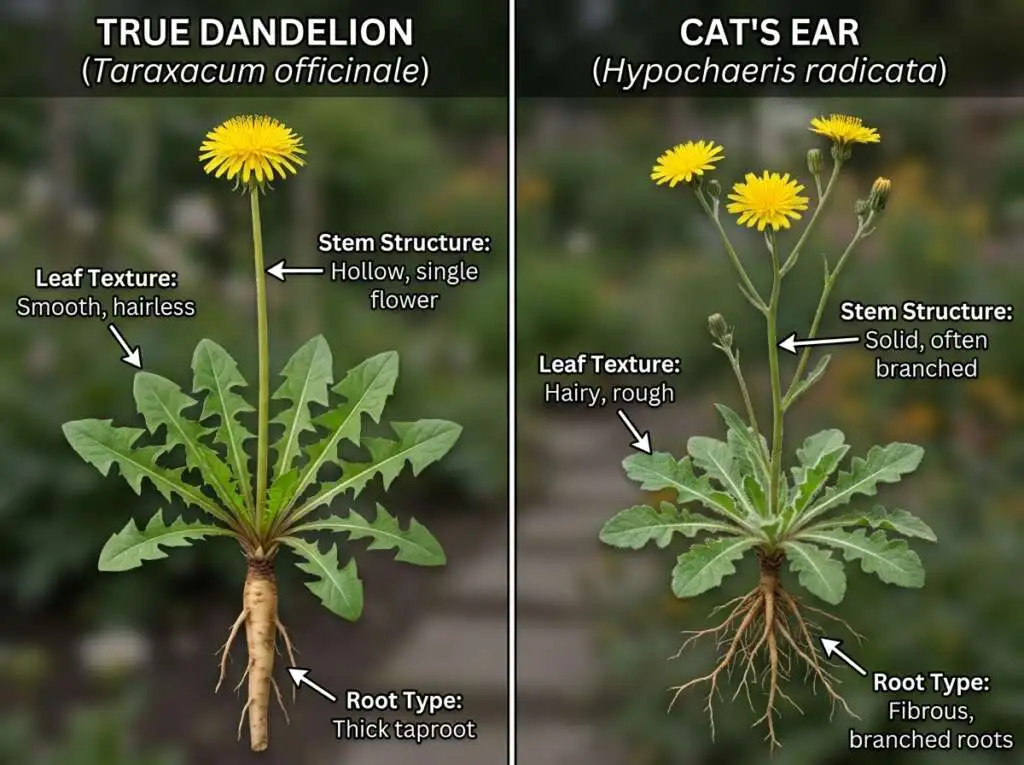
Botanical Identification & Safety:
Dandelion Identification Guide – USDA Plants Database
🛒 USA Foraging Ethics and Alternative Sourcing
If you are not comfortable foraging, you have options. Dandelion greens are increasingly available at Whole Foods, Sprouts, and farmers markets, sold as specialty salad greens. They are typically labeled as “Italian dandelion” or “chicory” and cost $4 to $6 per bunch.
Dried dandelion root for tea and coffee substitutes is available at most health food stores. I recommend Frontier Co-op Organic Dandelion Root (available on Amazon and at natural grocers) or Traditional Medicinals brand. For dandelion root powder used in baking or supplement applications, Starwest Botanicals offers lab-tested, organic options.
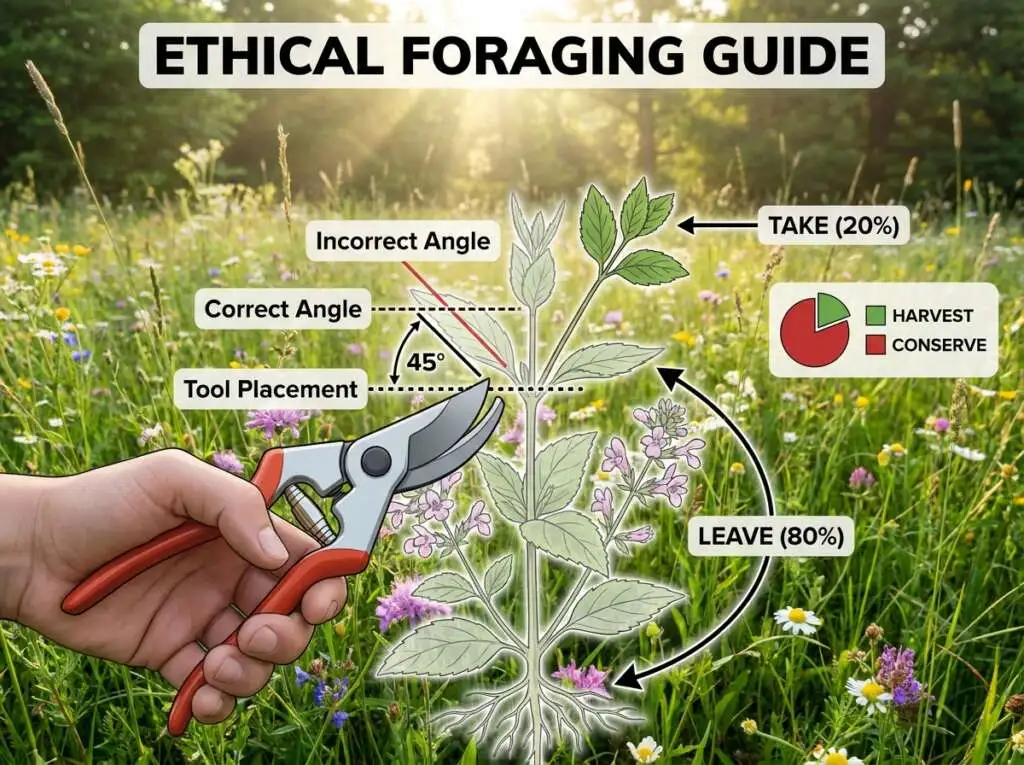
If you do forage, practice ethical harvesting:
- Take no more than 10 percent of any dandelion patch
- Leave the root intact if harvesting only greens or flowers
- Rotate harvesting locations to prevent depletionn
- Avoid rare or protected habitatss
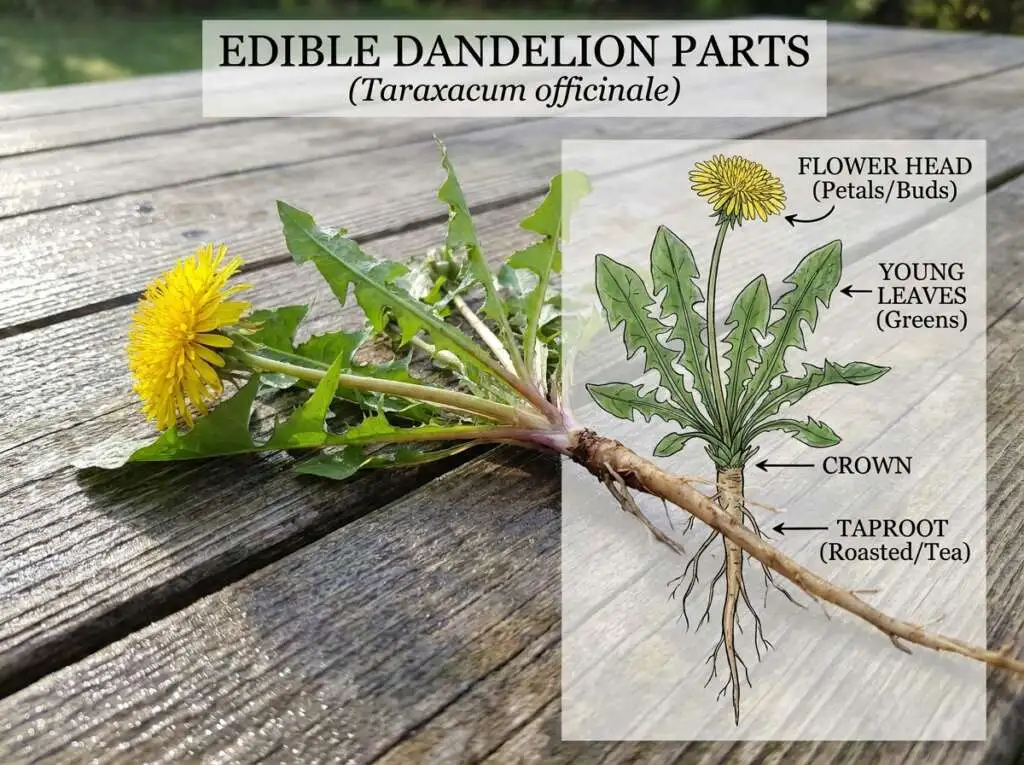
The best time to harvest dandelion greens is early spring before flower buds form. At this stage, bitterness is lowest and tenderness is highest. Flowers should be harvested mid-morning after dew has dried but before heat wilts the petals. Roots are best dug in fall after the first frost, when inulin content peaks.
🍯 Recipe 1: Chef Hamid’s Molecular Dandelion “Honey” (Vegan Jelly)
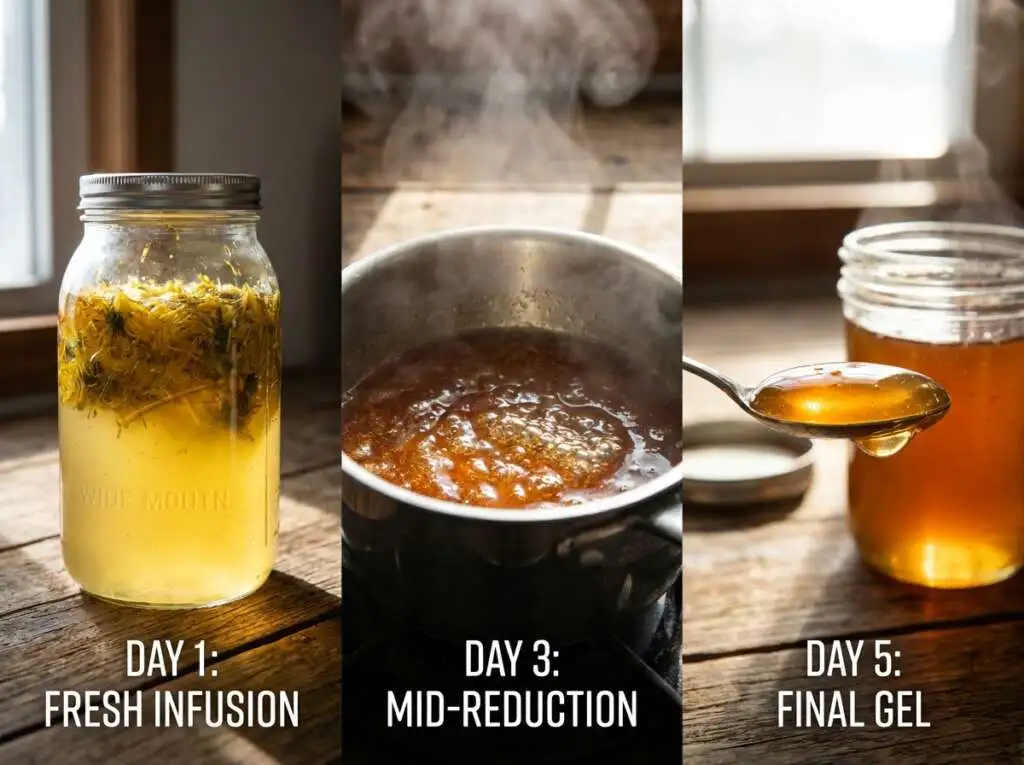
This is not actually honey. It is a dandelion flower infusion reduced with sugar to create a thick, amber syrup with honey-like viscosity and a complex floral-herbal flavor profile. The process relies on pectin activation from lemon juice and controlled evaporation to achieve gel point.
Ingredients (US Customary / Metric)
| Ingredient | US Customary | Metric |
|---|---|---|
| Fresh dandelion flowers (heads only, green parts removed) | 4 cups loosely packed | 200g |
| Filtered water | 4 cups | 950ml |
| Granulated sugar | 4 cups | 800g |
| Fresh lemon juice | ¼ cup | 60ml |
| Lemon zest (from 1 lemon) | 1 tbsp | 6g |
Yield: 2 half-pint jars
Prep Time: 30 minutes (plus overnight steeping)
Cook Time: 60 minutes
Total Time: ~24 hours
Instructions
Step 1: Harvest and Clean Flowers
Harvest dandelion flowers on a dry, sunny morning. Remove all green sepals and stems—they contain excessive bitterness and chlorophyll that will muddy flavor. You want only the yellow petals. Rinse gently in cold water and drain on towels.
Step 2: Cold Infusion Extraction
Place cleaned petals in a large glass or ceramic bowl. Bring 4 cups of filtered water to a boil, then let cool for 2 minutes to approximately 95°C (203°F). Pour over petals. Cover and steep at room temperature for 12 to 24 hours. This cold-start infusion maximizes flavor extraction while minimizing bitterness.
Step 3: Strain and Measure
Strain the infusion through a fine-mesh sieve lined with cheesecloth, pressing gently on the petals to extract all liquid. You should have approximately 3½ to 4 cups of golden-yellow liquid. Discard the spent petals.
Step 4: The Reduction (Scientific Control Point)
Pour the dandelion infusion into a wide, heavy-bottomed saucepan. Add sugar, lemon juice, and lemon zest. Bring to a boil over medium-high heat, stirring until sugar dissolves completely.
Reduce heat to maintain a gentle boil (approximately 103°C / 217°F). Monitor temperature with a candy thermometer. You are aiming for gel point at 104-105°C (220°F), which is the temperature at which pectin networks form and the syrup will set when cooled.
This typically takes 45 to 60 minutes. The syrup will reduce by approximately 40 percent in volume and darken to a deep amber color.
Step 5: Gel Test
Place a small plate in the freezer. After 45 minutes of simmering, drop a teaspoon of syrup onto the cold plate. Let it sit for 30 seconds, then push it with your finger. If it wrinkles and holds its shape, gel point is reached. If it runs, continue cooking and test again every 5 minutes.
Step 6: Jar and Store
Remove from heat. Skim any foam from the surface. Pour into sterilized jars, leaving ¼ inch headspace. Seal with lids. The syrup will continue to thicken as it cools.
Scientific Note: The pH of this syrup should be approximately 3.2 to 3.5 due to lemon juice addition. This acidity activates pectin and prevents microbial growth. If you have pH test strips, verify acidity before jarring for long-term storage.
☕ Recipe 2: Dandelion Root “Coffee” — The Inulin Science
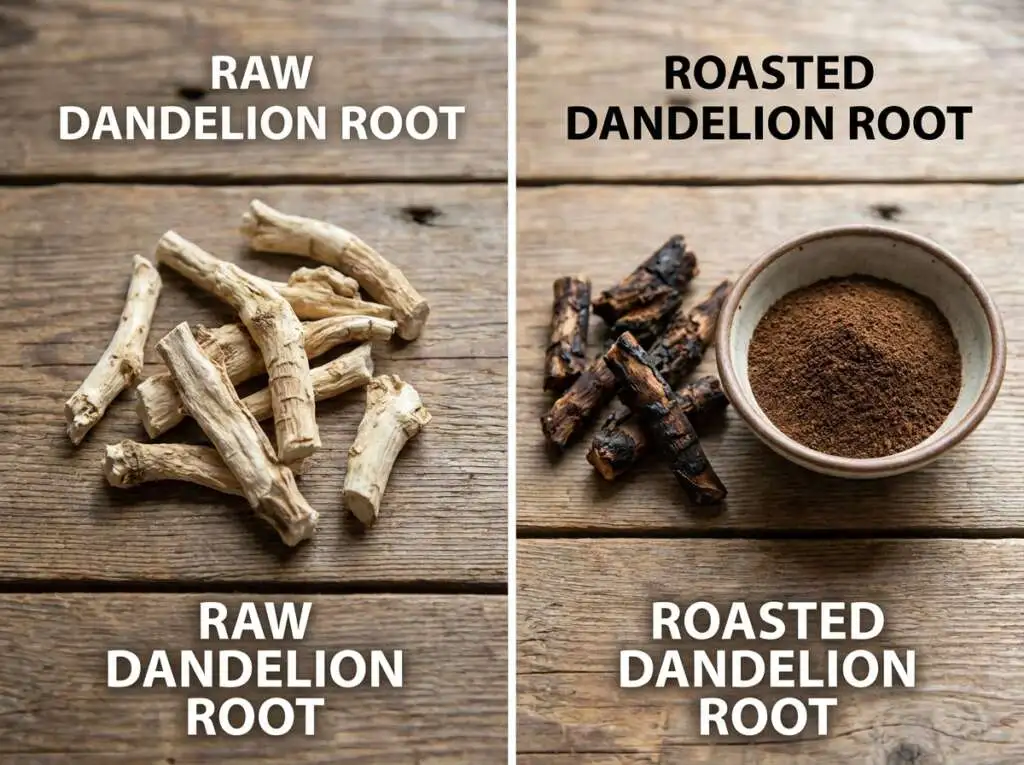
Roasted dandelion root has been used as a coffee substitute since the 1800s, particularly during wartime rationing. The flavor profile is earthy, slightly bitter, with notes of chicory and dark chocolate. The roasting process caramelizes inulin into soluble sugars and creates Maillard reaction compounds that mimic coffee’s complexity.
Ingredients (US Customary / Metric)
| Ingredient | US Customary | Metric |
|---|---|---|
| Fresh dandelion roots (washed and scrubbed) | 1 lb | 450g |
| Filtered water (for brewing) | 2 cups | 475ml |
| Optional: cinnamon stick | 1 stick | 1 stick |
| Optional: vanilla extract | ½ tsp | 2.5ml |
Yield: 2 cups brewed coffee
Prep Time: 20 minutes
Roasting Time: 45 minutes
Total Time: 1 hour 15 minutes
Instructions
Step 1: Clean and Chop Roots
Scrub dandelion roots thoroughly under cold running water using a vegetable brush. Cut off any lateral rootlets. Chop roots into ¼-inch pieces. Pat completely dry with towels. Moisture will interfere with roasting.
Step 2: Low-Temperature Roast (Phase 1)
Preheat oven to 200°F (93°C). Spread root pieces in a single layer on a parchment-lined baking sheet. Roast for 30 minutes to dehydrate. This removes moisture and prevents steaming during the high-heat roast phase.
Step 3: High-Temperature Roast (Phase 2)
Increase oven temperature to 350°F (175°C). Continue roasting for 15 to 20 minutes, stirring every 5 minutes, until roots are dark brown and brittle. They should snap cleanly when bent. Do not let them burn or turn black—this creates acrid, ashy flavors.
The Maillard reaction occurs optimally between 140°C and 165°C (284-329°F). At this temperature range, amino acids react with reducing sugars to create hundreds of flavor compounds including pyrazines, furans, and thiophenes—the same compounds that give coffee its roasted character.
Step 4: Grind and Brew
Let roasted roots cool completely. Grind in a coffee grinder or spice mill to a coarse consistency similar to French press grounds. Store in an airtight container.
To brew: Use 2 tablespoons ground dandelion root per cup of water. Simmer in a small saucepan for 10 minutes (not a quick steep like coffee—dandelion root needs extraction time). Strain through a fine-mesh sieve or coffee filter.
Add optional cinnamon and vanilla. Sweeten with honey or maple syrup if desired. The flavor is bold, earthy, and deeply roasted with a lingering bitterness that mimics dark-roast coffee.2
🌼 Recipe 3: Fried Dandelion Blossoms — The Maillard Reaction in Action
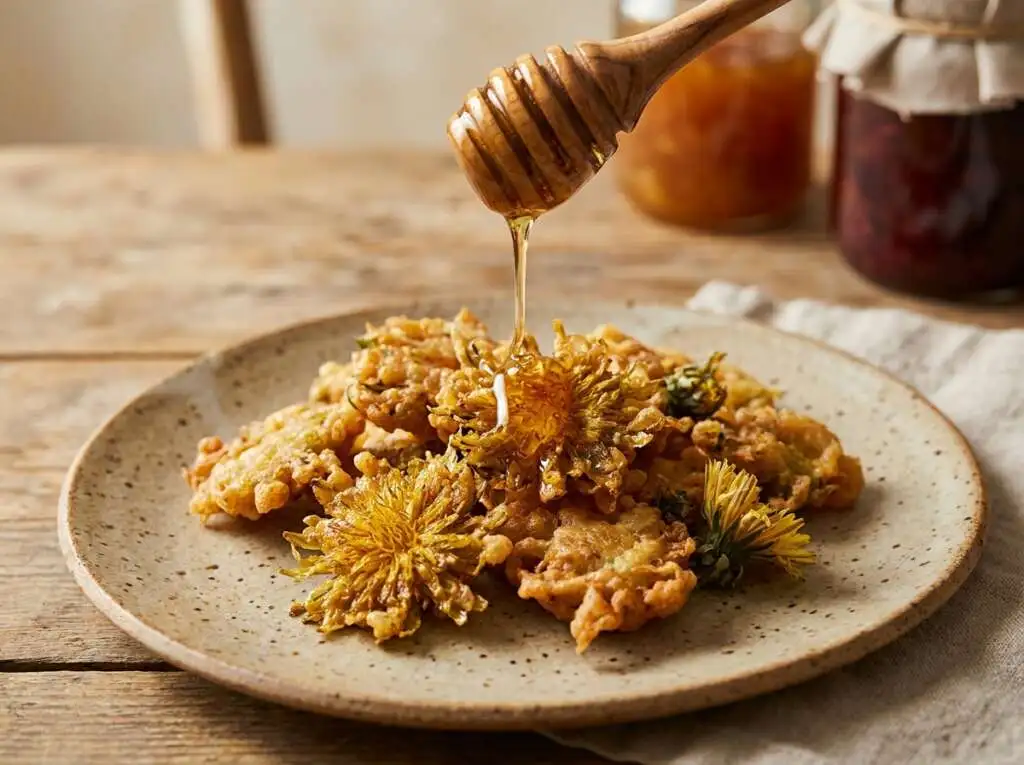
This is dandelion’s most photogenic application: whole flower heads dipped in light batter and fried until golden and crispy. The heat triggers Maillard browning on the batter while steam from the flower’s moisture creates a tender, almost custard-like interior.
Ingredients (US Customary / Metric)
| Ingredient | US Customary | Metric |
|---|---|---|
| Fresh dandelion flowers (whole heads, stems trimmed to 1 inch) | 20 flowers | 20 flowers |
| All-purpose flour | 1 cup | 125g |
| Cornstarch | 2 tbsp | 16g |
| Baking powder | 1 tsp | 4g |
| Cold sparkling water | 1 cup | 240ml |
| Kosher salt | ½ tsp | 3g |
| Neutral oil for frying (grapeseed or canola) | 2 cups | 475ml |
| Optional: honey for drizzling | 2 tbsp | 30ml |
Yield: 20 pieces (serves 4 as appetizer)
Prep Time: 15 minutes
Cook Time: 10 minutes
Total Time: 25 minutes
Instructions
Step 1: Prepare Flowers
Rinse flowers gently and shake dry. Leave 1 inch of stem attached as a handle. Pat completely dry with paper towels. Any excess moisture will cause oil splatter and soggy batter.
Step 2: Make Tempura-Style Batter
In a medium bowl, whisk together flour, cornstarch, baking powder, and salt. Add cold sparkling water and whisk just until combined—batter should be slightly lumpy. Do not overmix. The carbonation and minimal mixing create a light, crispy texture.
Step 3: Heat Oil to Optimal Frying Temperature
Pour oil into a heavy-bottomed pot or deep skillet to a depth of 2 inches. Heat to 375°F (190°C), verified with a thermometer. This temperature is critical. Below 350°F, the batter absorbs oil and becomes greasy. Above 400°F, the batter burns before the flower cooks through.
Step 4: Fry in Small Batches
Hold a flower by the stem, dip it completely into batter, allowing excess to drip off. Gently lower into hot oil. Fry 3 to 4 flowers at a time (do not overcrowd) for 2 to 3 minutes, turning once, until golden brown.
Remove with a slotted spoon and drain on a wire rack set over paper towels. The Maillard reaction creates the golden-brown color and nutty, toasted flavor in the batter crust.
Step 5: Serve Immediately
Fried dandelion blossoms are best eaten within 5 minutes of frying while still crackling-crisp. Drizzle with honey or sprinkle with flaky sea salt. The flavor is delicate, floral, slightly herbaceous, with a satisfying textural contrast between crispy batter and tender flower.
🍵 Recipe 4: Dandelion Detox Tea — Thermal Extraction Optimization
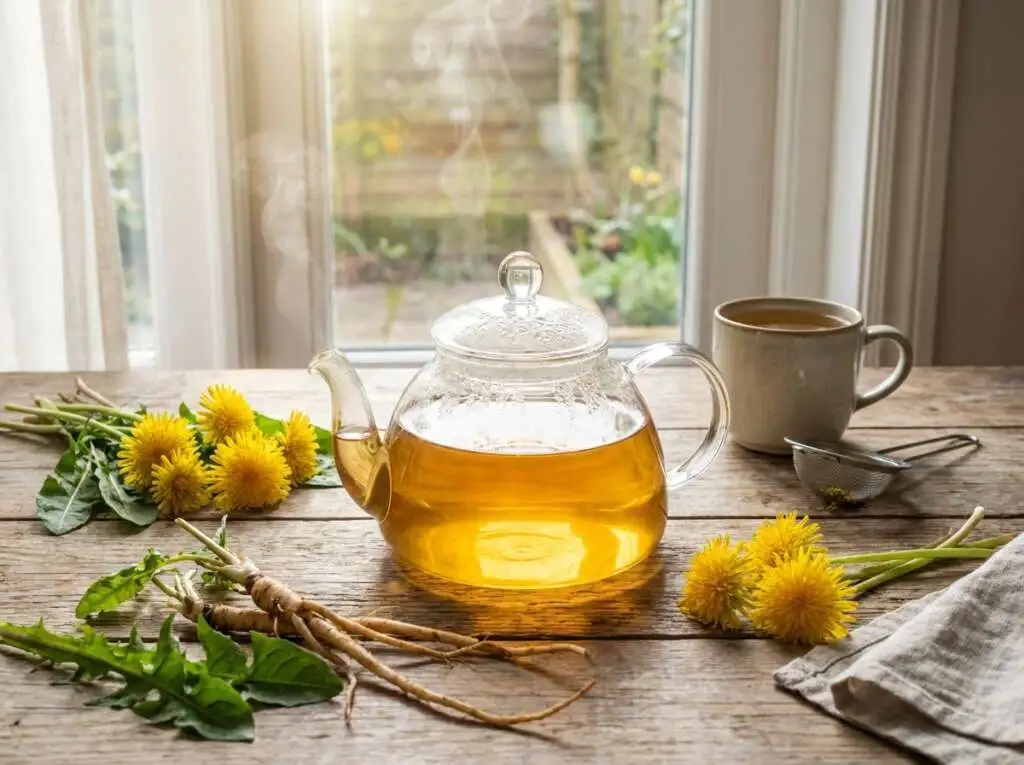
This is a multi-part infusion that combines dandelion leaves, roots, and flowers for a full-spectrum extraction of bioactive compounds. The key is staggered steeping temperatures to optimize different compound classes.
Ingredients (US Customary / Metric)
| Ingredient | US Customary | Metric |
|---|---|---|
| Fresh dandelion leaves (torn) | 1 cup | 30g |
| Dried dandelion root (chopped or ground) | 2 tbsp | 10g |
| Fresh dandelion flowers (petals only) | ½ cup | 15g |
| Filtered water | 3 cups | 710ml |
| Fresh ginger (sliced thin) | 1-inch piece | 10g |
| Raw honey (optional) | 1 tbsp | 15ml |
| Fresh lemon juice | 1 tbsp | 15ml |
Yield: 2 cups tea
Prep Time: 10 minutes
Steep Time: 20 minutes
Total Time: 30 minutes
Instructions
Step 1: Decoction for Roots (High-Temperature Extraction)
Place dandelion root and ginger in a small saucepan with 2 cups of cold water. Bring to a boil, then reduce heat and simmer for 15 minutes. This decoction method is necessary for tough, woody roots that require prolonged heat to release inulin and bitter compounds.
Step 2: Infusion for Leaves and Flowers (Medium-Temperature Extraction)
Remove pot from heat. Add dandelion leaves and flower petals. Cover and steep for 5 to 7 minutes at approximately 85-90°C (185-194°F). This lower temperature extracts flavonoids and volatile oils without degrading heat-sensitive compounds.
Step 3: Strain and Finish
Strain through a fine-mesh sieve into mugs. Add lemon juice and honey if using. The resulting tea is deep golden-amber, intensely bitter (from taraxacin), with earthy, floral, and ginger spice notes.
The bitterness stimulates bitter taste receptors on the tongue, which trigger vagal nerve signaling and increase bile secretion—this is the “detox” mechanism behind traditional use.
⚠️ Common Mistakes in Dandelion Foraging and Preparation
| The Mistake | What Actually Happens | The Fix |
|---|---|---|
| Harvesting from chemically treated lawns | Herbicide residues concentrate in leaves and flowers; can cause nausea and toxicity | Only forage from organic, untreated areas; verify with property owner if uncertain |
| Including green sepals in flower recipes | Excessive bitterness and chlorophyll create muddy, unpleasant flavors | Remove all green parts; use only yellow petals for delicate applications |
| Boiling dandelion leaves like spinach | High heat destroys vitamin C and increases bitterness through chemical breakdown | Blanch for 60 seconds in boiling water, shock in ice bath, then sauté |
| Harvesting roots in spring | Spring roots have minimal inulin (depleted during flowering); bitter and fibrous | Dig roots in fall after first frost when inulin content peaks at 40% |
| Not testing gel point in dandelion honey | Results in thin syrup that won’t set; sticky mess instead of spreadable jelly | Always use frozen plate test; verify 220°F temperature with thermometer |
| Frying blossoms at incorrect oil temperature | Too low: greasy, oil-logged batter; Too high: burnt exterior, raw interior | Maintain precise 375°F; use thermometer; fry in small batches |

Molecular Dandelion Honey (Vegan Jelly)
Ingredients
Equipment
Method
- Harvest dandelion flowers on a dry, sunny morning when blooms are fully open. Using scissors, cut off all green sepals and stems—these contain excessive chlorophyll and bitter compounds that will muddy final flavor. You want only bright yellow petals. Rinse gently in cold water to remove insects and debris. Drain thoroughly on clean kitchen towels.
- Place cleaned dandelion petals in a large glass or ceramic bowl (do not use metal, which can react with plant compounds). Bring 4 cups filtered water to a full boil, then remove from heat and let cool for 2 minutes to approximately 95°C (203°F). Pour hot water over petals. Cover bowl with a lid or plate and let steep at room temperature for 12 to 24 hours. This extended cold-start infusion maximizes extraction of volatile oils and flavonoid compounds while minimizing bitterness.
- After steeping, strain the golden-yellow infusion through a fine-mesh sieve lined with two layers of cheesecloth or a clean tea towel. Press gently on the spent petals to extract all liquid. You should have approximately 3½ to 4 cups of clear, amber-colored infusion. Discard the pressed petals (they can be composted).
- Pour the strained dandelion infusion into a wide, heavy-bottomed saucepan (wider pans increase surface area and speed evaporation). Add granulated sugar, fresh lemon juice, and lemon zest. Stir well.
- Place pan over medium-high heat and bring to a full boil, stirring constantly until sugar dissolves completely. Once dissolved, reduce heat to maintain a steady, gentle boil at approximately 103°C (217°F).
- Monitor temperature with a candy thermometer or instant-read thermometer. You are targeting gel point at 104-105°C (220°F), the critical temperature at which pectin networks form and the syrup will set to honey-like consistency when cooled.
- Continue boiling, stirring occasionally, for 45 to 60 minutes. The syrup will reduce by approximately 40% in volume and darken from pale yellow to deep amber.
- Place a small ceramic plate in the freezer at the start of cooking. After 45 minutes of reduction, remove pan from heat. Drop one teaspoon of syrup onto the frozen plate. Wait 30 seconds, then push the edge of the syrup with your finger. If it wrinkles and holds its shape rather than running, gel point has been reached. If it remains liquid and runs, return to heat and continue cooking, testing again every 5 minutes.
- Optional but recommended: Use pH test strips to verify acidity. The final syrup should measure between pH 3.2 and 3.5. This acidity range ensures pectin activation and prevents microbial growth during storage.
- Remove from heat. Skim any foam from the surface with a spoon. Immediately pour hot syrup into sterilized glass jars, leaving ¼ inch headspace. Wipe jar rims clean, seal with sterilized lids and rings.
- The syrup will be quite liquid when hot but will thicken dramatically as it cools over the next 4 to 6 hours.
- Let jars cool to room temperature on the counter (do not disturb during cooling—this can disrupt gel formation). Once cool, check that lids have sealed properly (they should not flex when pressed). Store sealed jars at room temperature in a cool, dark pantry for up to 12 months. Once opened, refrigerate and use within 3 months.
Notes
Only harvest dandelions from areas you are certain have not been treated with herbicides, pesticides, or chemical fertilizers. Avoid roadsides (heavy metal contamination), dog parks, and commercial lawns. Petal Preparation is Non-Negotiable:
All green parts must be removed. The green sepals contain high concentrations of chlorophyll and bitter lactones that will create an unpleasant, muddy flavor and dark color. Sugar Ratio Science:
The 1:1 ratio of infusion to sugar is critical for proper preservation and gel formation. Reducing sugar will result in a thinner syrup that may ferment. Do not substitute honey or other sweeteners—they have different water content and will not gel properly. Lemon Juice Function:
Lemon juice serves three purposes: (1) provides pectin for gel formation, (2) lowers pH to preserve color and prevent spoilage, (3) balances sweetness with acidity. Do not omit. Altitude Adjustment:
At altitudes above 3,000 feet, water boils at lower temperatures. Subtract 2°F from target gel point for every 1,000 feet above sea level. Uses:
Spread on toast, swirl into yogurt, glaze for roasted vegetables, sweetener for tea, or use as you would honey in baking (though it will not have honey’s enzymatic properties).
💬 Chef Hamid’s Insight
I have watched the food world swing from dismissing dandelions as nuisance weeds to fetishizing them as trendy superfoods, and both extremes miss the point. Dandelions are not magic. They are simply free, abundant, nutrient-dense plants that most people ignore because they require knowledge to use safely. That knowledge is not esoteric or complicated. It is basic botany, basic chemistry,
and basic respect for wild systems. When you learn to identify a dandelion correctly, when you understand why autumn roots taste different than spring roots, when you control extraction temperature to preserve inulin instead of degrading it, you are not being precious or elitist. You are being competent. Competence in the kitchen, whether you are working with wild plants or Wagyu beef, is always about the same thing: understanding what you are working with at the molecular level, then applying the correct technique to achieve your desired outcome.
The lesson: Wild food is not harder than farmed food. It just requires different knowledge.
— Chef Hamid, Homely Recipe
📊 Nutritional Comparison: Dandelion Greens vs. Common Cultivated Greens
| Nutrient (per 100g raw) | Dandelion Greens | Kale | Spinach | Arugula |
|---|---|---|---|---|
| Vitamin K | 778% DV | 684% DV | 604% DV | 136% DV |
| Vitamin A | 112% DV | 206% DV | 56% DV | 24% DV |
| Calcium | 19% DV | 15% DV | 10% DV | 16% DV |
| Iron | 17% DV | 9% DV | 15% DV | 8% DV |
| Potassium | 397mg | 491mg | 558mg | 369mg |
| Vitamin C | 58% DV | 120% DV | 47% DV | 25% DV |
| Protein | 2.7g | 4.3g | 2.9g | 2.6g |
| Calories | 45 kcal | 49 kcal | 23 kcal | 25 kcal |
Data sourced from USDA FoodData Central
Note that dandelion greens are particularly high in vitamin K, which plays a critical role in blood clotting and bone metabolism. Individuals on anticoagulant medications (warfarin/Coumadin) should consult their physician before consuming large quantities of dandelion greens.
🥡 Storage & Shelf Life Guide for Dandelion Products
| Product Type | Storage Method | Duration | Notes |
|---|---|---|---|
| Fresh greens | Refrigerator in damp towel, sealed bag | 3-5 days | Wilts quickly; use promptly; blanch and freeze for longer storage |
| Fresh flowers | Refrigerator loosely covered | 1-2 days | Petals deteriorate rapidly; process same day as harvest |
| Dried roots | Airtight container, cool, dark place | 12 months | Roasted roots stay fresh 6 months; grind fresh before brewing |
| Dandelion “honey” | Sealed jar at room temperature | 6-12 months | High sugar content preserves; refrigerate after opening |
| Frozen blanched greens | Freezer in vacuum-sealed bag | 8-10 months | Blanch 60 seconds, shock in ice, drain well before freezing |
| Dandelion tincture (alcohol extract) | Dark bottle, room temperature | 2-5 years | Alcohol preserves indefinitely; potency may decrease over time |
🌡️ Temperature Guide for Dandelion Processing
| Process | Temperature | Duration | Scientific Rationale |
|---|---|---|---|
| Inulin extraction (roots) | 85°C / 185°F | 60 minutes | Solubilizes inulin without caramelization or degradation |
| Leaf blanching | 100°C / 212°F | 60 seconds | Denatures enzymes that cause bitterness; sets chlorophyll color |
| Root roasting (coffee substitute) | 175°C / 347°F | 20 minutes | Optimizes Maillard reaction; caramelizes inulin to create coffee-like compounds |
| Flower petal drying | 35-40°C / 95-104°F | 12 hours | Low temp preserves volatile oils; prevents browning |
| Gel point for dandelion honey | 104-105°C / 220°F | Until reached | Pectin network formation; ensures proper set when cooled |
| Deep frying blossoms | 190°C / 375°F | 2-3 minutes | Creates crispy Maillard crust without burning; steam cooks interior |
🔬 Advanced Topic: The α-Glucosidase Inhibition Mechanism
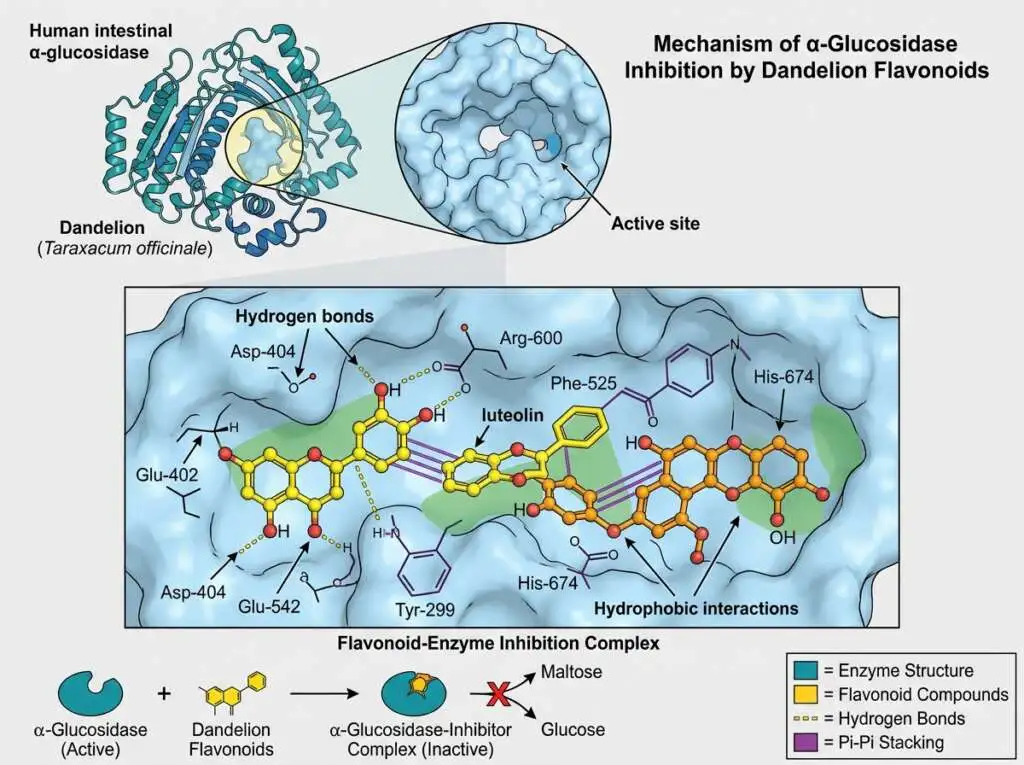
One of the most researched bioactive properties of dandelion is its ability to inhibit α-glucosidase, an enzyme in the small intestine responsible for breaking down complex carbohydrates into simple sugars. When this enzyme is inhibited, carbohydrate absorption slows, resulting in reduced post-prandial (after-meal) blood glucose spikes.
Studies published in the Journal of Ethnopharmacology (2021) demonstrated that aqueous extracts of dandelion leaves inhibited α-glucosidase activity by 63 percent at concentrations of 500 μg/mL in vitro. The mechanism involves competitive inhibition, where flavonoid compounds (particularly luteolin and chicoric acid) bind to the enzyme’s active site, preventing substrate attachment.
The therapeutic implication is potential use in managing type 2 diabetes and metabolic syndrome. However, it is critical to note that in vitro (test tube) results do not always translate to in vivo (living organism) effects. Human bioavailability of these compounds after oral consumption varies based on gut microbiome composition, food matrix effects, and individual metabolism.
For home cooks, the practical takeaway is this: dandelion greens consumed as part of a meal may slow carbohydrate digestion and reduce blood sugar spikes, particularly when eaten raw or lightly cooked (which preserves heat-sensitive flavonoids). This is not medical advice—it is biochemical reality.
🌍 Dandelion Across Cultures: Global Food Uses
While this guide focuses on North American applications, dandelions have been used as food and medicine across nearly every temperate culture:
France: Pissenlit salad—young greens dressed with hot bacon vinaigrette and topped with poached egg. The name literally means “piss in bed,” referencing dandelion’s diuretic properties.
Italy: Cicoria—dandelion greens sautéed with garlic, olive oil, and red pepper flakes, often served with polenta or white beans.
Korea: Minari-namul—blanched dandelion greens seasoned with sesame oil, garlic, and gochugaru (chili flakes), served as banchan (side dish).
China: Traditional Chinese Medicine uses dandelion (蒲公英, pú gōng yīng) as a cooling herb to clear heat and detoxify the liver. Often prepared as a simple tea.
Japan: Tempura—dandelion blossoms battered and fried, similar to the recipe in this guide.
The global consensus is that dandelions are bitterest in spring, sweetest in fall, and most tender when very young. This is not cultural preference—it is botanical fact driven by seasonal nutrient storage cycles.
❓ Frequently Asked Questions
Are all dandelions safe to eat?
All true dandelions (Taraxacum species) are edible and non-toxic. However, you must correctly identify them using the 5-point botanical protocol outlined earlier. Never eat any wild plant unless you are 100 percent certain of its identity.
Can I eat dandelions from my lawn?
Only if your lawn has never been treated with herbicides, pesticides, or fertilizers. Most conventional lawn care involves chemicals that accumulate in plant tissue and are harmful if consumed. When in doubt, do not eat them.
Why are my dandelion greens so bitter?
Bitterness increases with plant age and heat exposure. Harvest greens before the plant flowers for mildest flavor. Blanching in boiling water for 60 seconds, then shocking in ice water, reduces bitterness by 40-60 percent by removing water-soluble bitter compounds.
Can I dry dandelion flowers for tea?
Yes. Spread petals (no green parts) in a single layer on a screen or parchment and dry in a well-ventilated area out of direct sunlight, or use a dehydrator at 95-105°F for 12 hours. Store in an airtight jar away from light.
Is dandelion safe during pregnancy?
Dandelion is generally recognized as safe (GRAS) by the FDA when consumed as food. However, pregnant women should consult their healthcare provider before consuming dandelion in medicinal quantities (concentrated teas, tinctures, or supplements).
How do I reduce bitterness in dandelion coffee?
Roast roots at a slightly higher temperature (375°F) for a few extra minutes to increase caramelization. Add vanilla, cinnamon, or a pinch of salt during brewing. Mix 50/50 with chicory root for a mellower flavor.
🔗 Related Scientific Guides from Homely Recipe
If this deep dive into dandelion science resonated with you, explore these other botanical and molecular cooking guides:
🥦 The Air Fryer Broccoli Science: SO2SO2 Release and Flavor Optimization — Why temperature control prevents sulfur compounds from turning broccoli bitter
🍫 The 90-Second Air Fryer Lava Cake: Thermal Conductivity and the Molten Core — Calculating heat transfer in chocolate desserts